
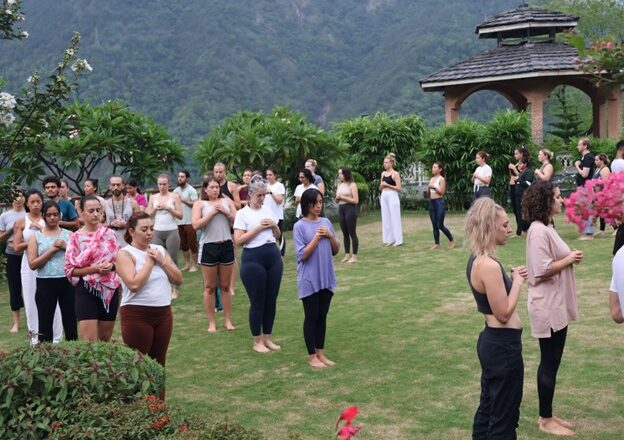
Staying fit and healthy does not require a gym membership, heavy equipment, or rigid workout routines especially for yoga practitioners. For students enrolled in 200 hour and 500 hour yoga teacher training, fitness is about balance, awareness, and sustainable habits that support both the body and the mind.
Yoga training encourages a holistic lifestyle where movement, breath, mindfulness, and daily activities work together to build strength, flexibility, and inner well-being. Whether you are beginning your journey with a 200 hour course or deepening your practice through a 500 hour training, there are many fun and effective ways to stay fit without stepping into a gym.
Table of Contents
1. Deepen Your Daily Yoga Practice
For both 200 hour and 500 hour yoga students, the most natural way to stay fit is through consistent yoga practice. Practicing asanas daily improves strength, mobility, balance, and endurance.
- 200 hour YTTC students can focus on building a strong foundation through basic Hatha or Vinyasa sequences.
- 500 hour YTTC students can explore advanced asanas, longer holds, and refined alignment.
Adding creativity such as themed flows or slow, mindful sequences – keeps practice enjoyable and engaging.
2. Turn Walking Into a Mindful Fitness Practice
Walking is a simple yet powerful way to stay active. When combined with breath awareness and posture alignment, it becomes a moving meditation.
- Walk barefoot on natural ground when possible.
- Match your steps with your breath.
- Maintain awareness of spinal alignment and relaxed shoulders.
For yoga teacher trainees, mindful walking supports cardiovascular health while cultivating presence and awareness.
3. Explore Pranayama for Energy and Vitality
Fitness is not only about muscles it is also about energy levels and respiratory health. Pranayama practices play a vital role in both 200 hour and 500 hour yoga training.
- Gentle pranayama supports beginners by improving lung capacity.
- Advanced pranayama helps experienced practitioners enhance stamina, focus, and mental clarity.
Regular breathing practices boost vitality and support overall physical fitness without any external equipment.
4. Playful Bodyweight Movement
Bodyweight movement can be both fun and functional. Yoga students can explore creative movement inspired by asana transitions, animal movements, or gentle mobility drills.
- Flow between postures smoothly.
- Experiment with balance and coordination.
- Move slowly and consciously to prevent strain.
This playful approach builds strength and flexibility while keeping fitness enjoyable.
5. Meditation for Mental Fitness
Mental fitness is just as important as physical strength especially in advanced yoga training. Regular meditation helps regulate stress, improve focus, and support emotional balance.
- 200 hour trainees benefit from short, consistent meditation sessions.
- 500 hour trainees may explore longer practices or deeper techniques.
A calm and focused mind enhances overall health and supports physical recovery.
6. Karma Yoga and Daily Activities
Fitness does not have to be separate from daily life. Traditional yoga emphasizes karma yoga, or mindful action.
- Cleaning, gardening, cooking, or carrying supplies mindfully engages the whole body.
- Conscious movement during daily tasks improves posture and strength.
This approach aligns beautifully with ashram life and yogic living.
7. Nature-Based Activities
Spending time in nature is both enjoyable and nourishing for the body. Simple activities like hiking, gentle climbing, or sitting on uneven ground engage stabilizing muscles.
Nature-based movement supports:
- Balance and coordination
- Joint health
- Mental relaxation
Yoga practitioners often find that outdoor movement enhances their connection to breath and awareness.
8. Conscious Eating and Hydration
Staying fit is closely connected to nutrition. Yogic training emphasizes mindful eating rather than restrictive habits.
- Eat fresh, balanced meals.
- Chew slowly and with awareness.
- Stay hydrated throughout the day.
This supports digestion, energy levels, and overall vitality for both 200 hour and 500 hour students.
9. Rest and Recovery as a Fitness Tool
True fitness includes adequate rest. Overexertion can lead to fatigue and imbalance, especially during intensive yoga training.
- Prioritize quality sleep.
- Include restorative yoga or gentle stretching.
- Allow time for the body to recover.
For advanced practitioners, rest is a powerful tool for long-term strength and resilience.
10. Build a Joyful, Sustainable Routine
The most effective way to stay fit without the gym is to enjoy the process. When movement feels joyful rather than forced, it becomes sustainable.
- Create a daily rhythm that feels balanced.
- Listen to your body’s needs.
- Stay consistent without being rigid.
Both 200 hour and 500 hour yoga training encourage self-awareness, making fitness a natural extension of mindful living.
Conclusion
Staying fit and healthy without the gym is not only possible it is deeply aligned with the yogic lifestyle. For students in 200 hour and 500 hour yoga teacher training, fitness comes from conscious movement, breath awareness, meditation, and mindful living.
By embracing yoga, nature, daily activity, and rest, you can cultivate strength, flexibility, and vitality in a way that feels natural, joyful, and sustainable.
Yoga teaches us that true fitness is not measured by machines or weights, but by balance, awareness, and inner harmony.